
Effective Weed Control for Lawns: What Local Pros Recommend
Find Reliable Lawn Care Services Near Me for Healthier, Safer Property
Lawn care services near me should do more than make grass look neat. The right local team helps control weeds, protect turf health, and keep large properties maintained without adding another weekend job to your list.
For El Dorado County homeowners, it also pays to choose a provider who understands local weather, dry-season stress, and the need for clean, well-managed vegetation around the property.
A quick way to compare local lawn specialists:
- Routine maintenance: Mowing, edging, trimming, and blowing clippings from hard surfaces.
- Weed control: Pre-emergent treatments to prevent weeds and targeted post-emergent applications for existing weeds.
- Turf health: Soil testing, fertilization, aeration, overseeding, and pest checks when needed.
- Seasonal support: Spring cleanup, summer drought care, fall restoration, and leaf removal.
- Professional standards: Clear estimates, insured crews, dependable scheduling, and treatment instructions for pets and children.
Regular mowing usually falls every 7 to 10 days during active growth, while professional treatment visits are often spaced several weeks apart based on grass type, weather, and weed pressure. A good plan is not a generic spray schedule. It is a practical program built around your lawn, soil, and property goals.
Key Solutions Offered by Lawn Care Services Near Me
When searching for professional lawn care services near me, it becomes immediately obvious that lawn maintenance involves much more than pushing a mower across the yard on a sunny Saturday afternoon. High-quality property upkeep balances active turf growth, soil biology, and seasonal weather patterns.

Most residential properties require scheduled mowing every 7 to 10 days during peak growing seasons to maintain turf density and naturally suppress weed invasions. Removing no more than one-third of the grass blade length during a single visit prevents physiological shock to the turf’s root system.
Standard recurring maintenance typically relies on clear square-footage pricing tiers. For standard biweekly mowing, small yards (under 2,000 square feet) generally run around $60 per visit, medium yards (2,000 to 4,000 square feet) average $65, and larger residential yards (4,000 to 6,000 square feet) start near $70.
Beyond weekly cutting, professional property maintenance includes deep soil testing and targeted nutrient management. Soil pH testing reveals hidden acidity or alkalinity issues that block nutrient uptake, regardless of how much fertilizer is applied. Incorporating organic soil management techniques improves soil structure over time, allowing soil to absorb and retain water far more effectively. In fact, agricultural research studies show organically managed soils can hold 15% to 28% more water than conventionally managed soils, significantly improving drought resistance during dry summer months. Proper mulching combined with native plantings can cut total landscape water requirements by up to 30%.
Comparing Service Packages from Lawn Care Services Near Me
Most reputable companies structure their care offerings into scalable service tiers so homeowners can select the exact level of intervention their property requires:
- Basic Maintenance Plans: Focus primarily on regular mowing, perimeter line trimming, hard surface blowing, and basic seasonal weed suppression.
- Enhanced Care Plans: Add custom-blended fertilization programs, balanced pre-emergent crabgrass controls, and broadleaf weed treatments applied every 6 to 8 weeks.
- Elite Property Packages: Include comprehensive turf restoration tools such as fall core aeration, overseeding, biochar applications, targeted grub control, and tree or shrub health checks.
Core aeration is especially vital for heavily compacted soils or newly constructed home developments where topsoil was stripped during building. Removing small soil plugs opens up channels for oxygen, water, and nutrients to reach root systems. When paired with high-performance overseeding, core aeration repairs thin, patchy grass before opportunistic weeds can take hold. Top-tier providers emphasize these structural soil corrections to revive stubborn, weed-prone yards.
How to Choose the Best Lawn Care Services Near Me
Selecting a trustworthy contractor requires looking beyond introductory price discounts. Premier dispatch networks and leading local companies enforce rigorous vetting standards; in fact, only about 1 in 30 contractors (roughly 3%) pass strict background checks, insurance verifications, and professional standards checks required by top platforms.
When evaluating potential companies, look for:
- Background Checks & Vetting: Ensure every technician entering your property has undergone criminal background checks and professional training.
- Comprehensive Insurance Coverage: Verify that the business carries general liability and workers’ compensation coverage (top networks carry up to $2 million in property protection).
- Satisfaction Guarantees: Look for clear quality policies, such as a 5-day re-mow guarantee or a post-service inspection buffer (allowing 3 days to inspect work before final payment is charged).
- Designated Technicians: Companies that assign dedicated technicians to your property achieve far greater consistency because the worker gets to know your turf’s unique shade zones, drainage spots, and trouble areas.
Professional Lawn Treatment and Seasonal Weed Control Programs
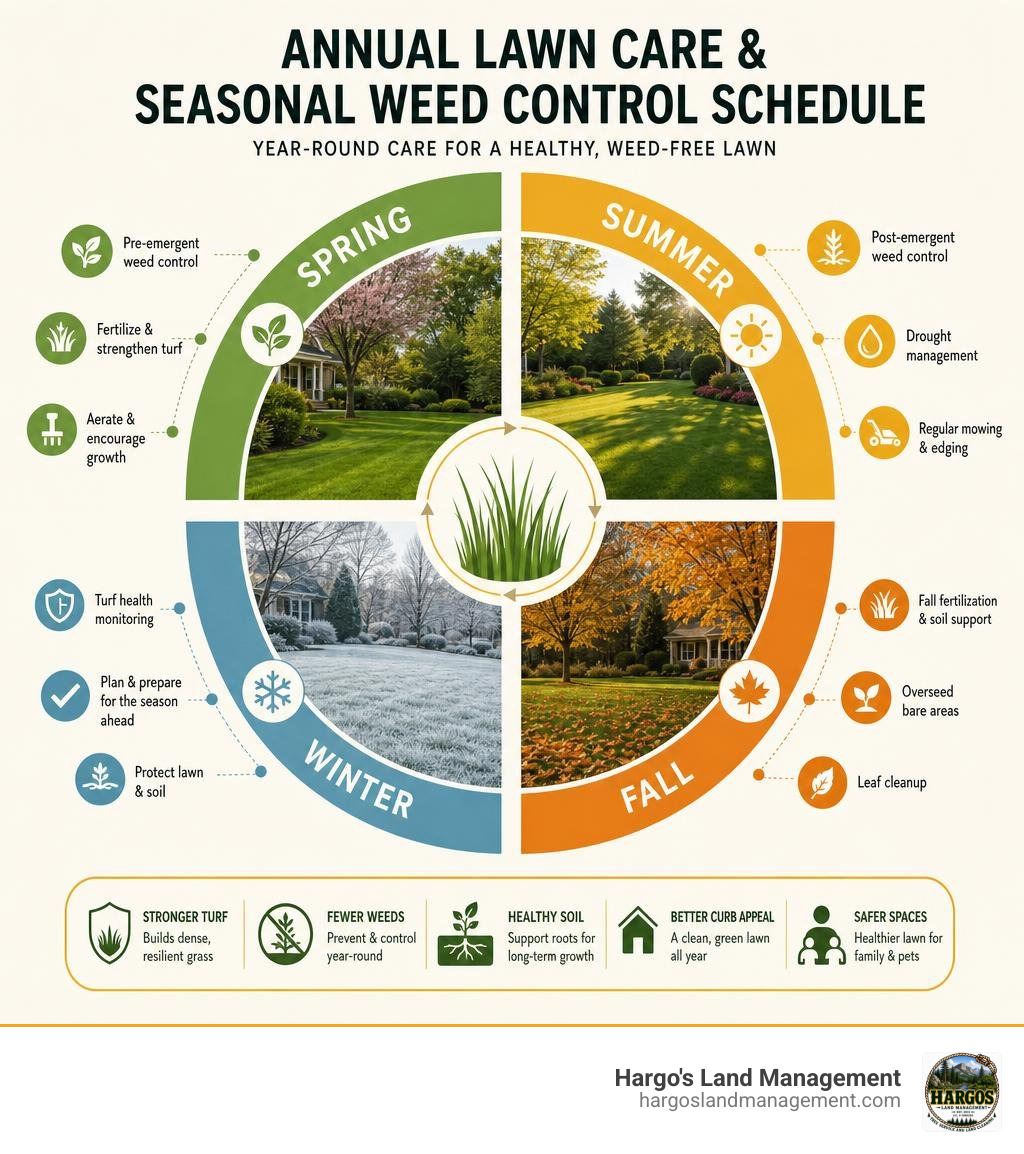
Effective weed management requires a strategic calendar rather than reactive chemical spraying. Turf experts rely on a dual approach: applying pre-emergent herbicides in early spring to prevent weed seeds like crabgrass from germinating, followed by targeted post-emergent spot treatments for aggressive broadleaf species like dandelions, clover, and plantain.
Regional providers across the country rely on tailored seasonal calendars to address distinct environmental pressures.
| Season | Primary Focus | Key Tasks & Treatments | Target Weeds & Pests |
|---|---|---|---|
| Spring | Soil Prep & Prevention | Soil pH testing, pre-emergent herbicide application, light fertilization, early spot-treating | Crabgrass, dandelions, early broadleaf weeds |
| Summer | Drought Care & Protection | Higher mowing deck height (3.75–4 in), deep early-morning watering (6–8 in deep), grub monitoring | Summer broadleaf weeds, white grubs, chinch bugs, armyworms |
| Fall | Repair & Overseeding | Core aeration, overseeding, winterizer fertilization, biochar soil conditioning | Winter annual weeds, lingering broadleaf patches |
| Winter | Property Prep & Cleanup | Debris clearing, equipment maintenance, defensible space creation around structures | Pre-season lawn planning, winter weed prevention |
Early Spring Weed Prevention and Soil Preparation
Spring sets the trajectory for your lawn’s health for the entire year. As temperatures rise, winter freeze-thaw cycles leave behind compacted soil and early weed growth. Turf experts begin with soil testing to check pH levels and nutrient deficiencies.
Pre-emergent herbicides must be applied before soil temperatures reach roughly 55°F for several consecutive days—the exact threshold where crabgrass seeds germinate. If you miss this narrow window, crabgrass will establish rapidly. For active broadleaf weeds like dandelions that break through early, local pros use low-toxicity post-emergent spot sprays or eco-friendly alternatives (such as targeted vinegar-soap solutions for isolated driveways or garden borders) alongside organic soil builders that promote dense turf growth.
Summer Drought Protection and Pest Defense
Summer heat brings moisture stress and aggressive insect activity. To protect turf from summer dormancy and weed encroachment, irrigation must soak soil 6 to 8 inches deep rather than delivering shallow daily dustings. Lawns generally require 1 to 1.5 inches of total water per week, delivered during early morning hours to limit evaporation and prevent fungal diseases.
Mowing heights should be raised during hot periods. Cool-season grasses benefit from a cutting height of 3.75 to 4 inches throughout midsummer. Taller grass blades shade the soil surface, keeping root zones cooler and blocking sunlight from reaching weed seeds. Keep a close eye out for surface-feeding pests like chinch bugs and armyworms, as well as sub-surface white grubs that chew through turf root systems, leaving soft, dead brown patches that pull up easily like loose carpet.
Local Independent Contractors vs. National Lawn Franchises

When searching for lawn care services near me, homeowners often choose between large national corporate franchises and local, independent service providers. While national companies run high-volume marketing campaigns, independent local specialists usually deliver superior agility, transparent communication, and deep regional knowledge.
Experienced regional lawn care teams demonstrate how decades of local experience lead to better turf management. Independent operators adapt instantly to changing local weather rather than following rigid corporate schedules.
Benefits of Regional Agronomy and Soil Expertise
Regional agronomy knowledge is irreplaceable. Soil characteristics, microclimates, and turfgrass suitability vary dramatically by zip code:
- Transition Zone Adaptability: Managing turf in transition climate zones requires knowing exactly when cool-season varieties (like Tall Fescue or Kentucky Bluegrass) need summer protection, or when warm-season grasses (like Bermudagrass or Zoysia) require seasonal fertilization.
- Soil Compaction Solutions: Local crews understand how winter freeze-thaw cycles pack local heavy clay subsoils, prescribing core aeration at precisely the right seasonal moments.
- Agronomy Science: Modern turf management providers utilize satellite geo-mapping and custom nutrient blends to treat soil biology scientifically rather than relying on generic, one-size-fits-all sprays.
Dedicated local providers prioritize direct communication, ensuring homeowners receive clear service notes and immediate answers from real people rather than automated call centers.
Safety Standards and Satisfaction Policies
Top-tier independent specialists enforce strict application safety protocols:
- Pet and Child Safety: Professional liquid fertilization and weed treatments are completely safe for pets and children once the product has fully dried. Technicians advise keeping family off treated grass for a few hours following application.
- Service Guarantees: Reputable companies back their applications with strong policies, including 5-day re-mow or re-treat guarantees if broadleaf weeds survive an initial treatment.
- Transparent Billing: Premium contractors offer flexible pay-per-treatment schedules, annual prepay discounts (often around 3%), and post-service inspection windows prior to billing.
Local lawn care teams build lasting client relationships by combining detailed seasonal calendars with personal accountability.
Frequently Asked Questions About Lawn Care Services
How much does routine lawn mowing cost in my area?
Lawn mowing costs depend primarily on turf square footage, terrain slope, and visit frequency. On average, biweekly residential mowing rates break down into clear size brackets:
- Small Yards (under 2,000 sq ft): ~$60 per biweekly visit.
- Medium Yards (2,000 to 4,000 sq ft): ~$65 per biweekly visit.
- Large Yards (4,000 to 6,000 sq ft): ~$70 per biweekly visit.
Properties with steep slopes, restricted gate access, or extensive hand-trimming needs around complex flower beds may see small adjustments. Continuous seasonal maintenance protects property value—professional landscaping can increase total home market value by up to 15%.
Are chemical lawn treatments safe for pets and children?
Yes, professional lawn treatments are safe when proper drying protocols are followed. Liquid weed controls and liquid fertilizers require a brief drying window—typically a few hours depending on ambient temperature, humidity, and sunlight—before children and pets resume active play on the lawn. Reassuring service teams send pre-service text notifications the day before a visit so homeowners can plan ahead and keep pets indoors during application hours. Furthermore, modern organic-based nutrient programs significantly reduce reliance on synthetic chemicals by building up natural soil resilience over time.
How often should grass be mowed during peak growing season?
Most active lawns require mowing every 7 to 10 days during their primary spring and early summer growing bursts. Adhering to this timeframe makes it easy to follow the standard “one-third rule,” which dictates that you should never remove more than one-third of the total grass blade length in a single cut.
Mowing at proper height ranges—2 to 4 inches for cool-season turf varieties and 1.5 to 3 inches for warm-season grasses—encourages deeper root expansion and creates a thick, lush canopy that naturally chokes out weed seedlings.
Conclusion: Choosing the Right Property Specialists
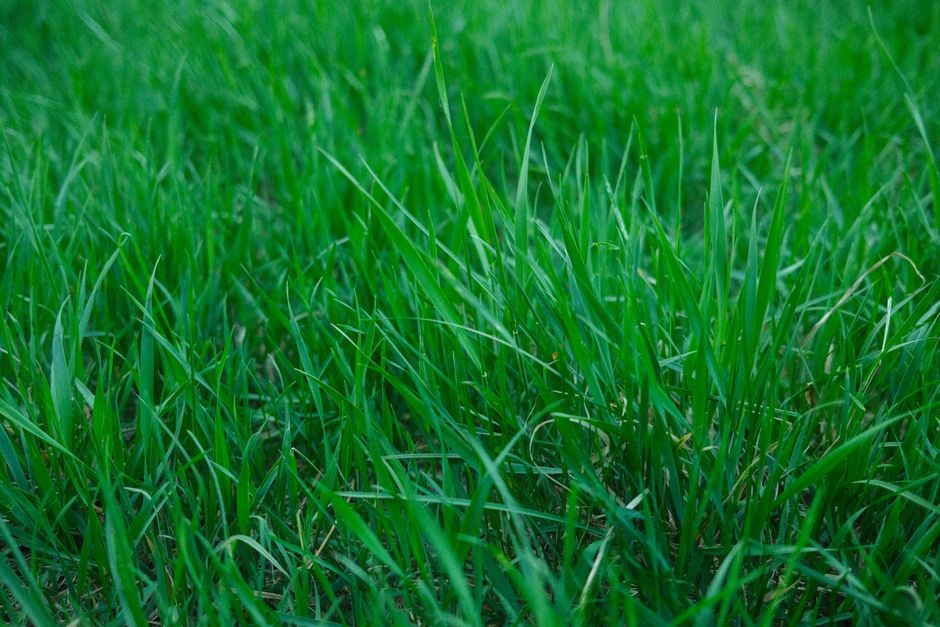
A lush, weed-free lawn creates inviting outdoor space and delivers a strong curb appeal boost that can increase overall property value by up to 15%. However, comprehensive property management often extends far beyond routine mowing and turf weed spraying—especially for property owners in northern California’s foothill environments.
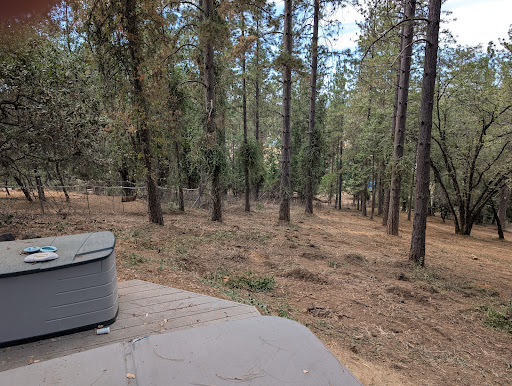
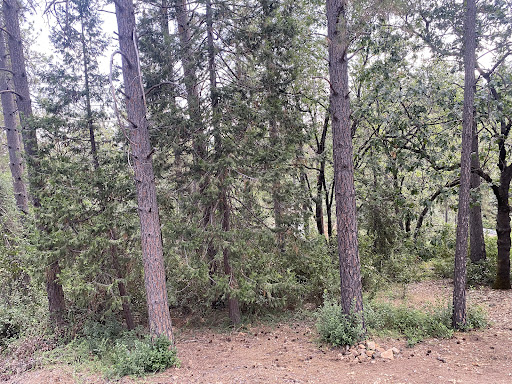
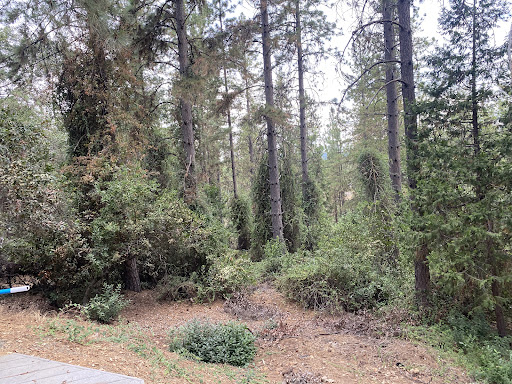
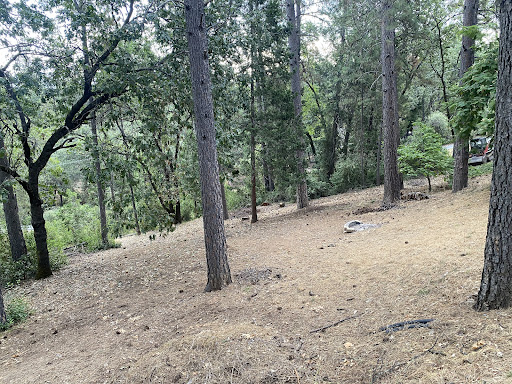
When dry seasons arrive, managing overgrown brush, wild vegetation, and fire hazards becomes critical for protecting your home. That is where our experienced team at Hargo’s Land Management steps in. Beyond standard residential lawn care considerations, we deliver expert tree services, large-scale land clearing, and fire-season defensible-space creation across El Dorado County, including Placerville and South Lake Tahoe.
As a locally owned, fully licensed, bonded, and insured team, we provide free on-site estimates and rapid, safety-focused execution to safeguard your property year-round. Whether you need heavy brush abatement or strategic brush clearing to comply with strict state fire codes, check out our specialized Vegetation Management Services to keep your entire acreage pristine, safe, and beautiful.
CUSTOMER REVIEWS & TESTIMONIALS
We strive to exceed your expectations. See what our customers have to say.















CONTACT US TODAY
Serving El Dorado and Surrounding Counties
Locally owned and operated since 2013. Use our live chat support to get in touch about your land management needs today.
Request a free evaluation and estimate by completing our online form or book an on-site appointment.
El Dorado County: El Dorado Hills, Cameron Park, Shingle Springs, Coloma, Placerville, Camino, Pollock Pines, South Lake Tahoe and more...
Amador County: Jackson, Ione, and Surrounding Towns
Sacramento County: Sacramento and Surrounding Cities
Placer County: Roseville, Rocklin, Auburn, and Everything In Between
Nevada County: Penn Valley, Nevada City, Grass Valley