
What Is Hydroseeding and How Does It Compare to Sod?
What Is Hydroseeding and How Does It Compare to Sod?
What Is Hydroseeding and Why Is It an Alternative to Sod?

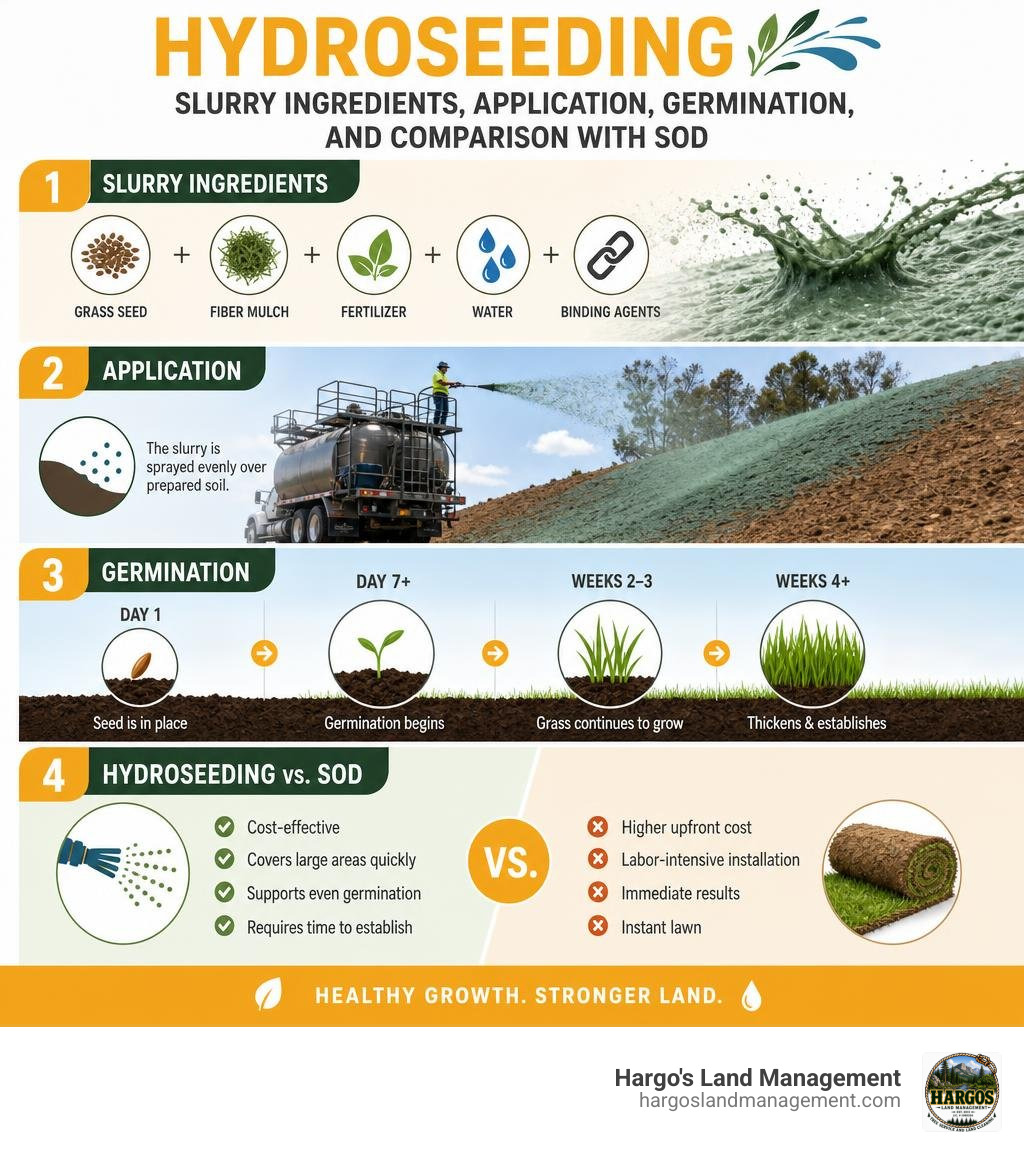
Hydroseeding is a planting method that sprays a water-based mix of grass seed, fiber mulch, fertilizer, and binding agents over prepared soil. The mulch helps hold moisture around the seed, while tackifiers help the material stay put on slopes and other erosion-prone ground.
For homeowners with large properties, hydroseeding is often a practical middle ground between low-cost broadcast seed and higher-cost sod. It can cover a broad area quickly, support more even germination, and cost roughly one-third to one-half as much as sod in many projects. Grass may begin to emerge in about a week under good conditions, though a lawn still needs consistent watering and time to establish.
Hydroseeding is not limited to new lawns. It is also used to stabilize disturbed soil on hillsides, construction areas, and fire-affected land where bare ground can wash away during rain.
What Is Hydroseeding and How Does the Slurry Work?
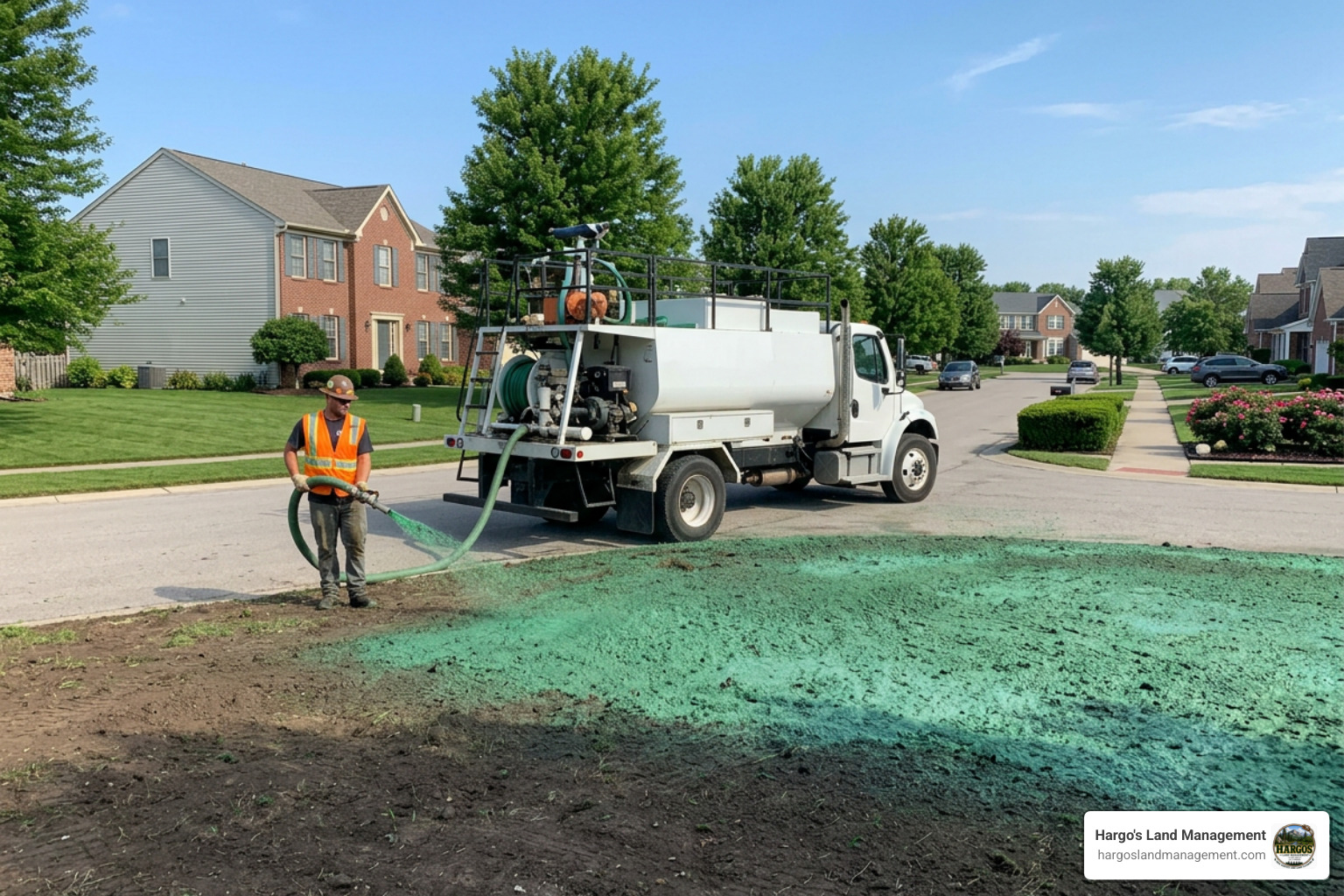
At its core, hydroseeding (also known as hydraulic mulch seeding or hydromulching) turns what used to be a multi-step lawn installation into a efficient single-pass application. Instead of scattering dry seed across the dirt, spreading straw by hand, and praying the local birds don’t eat your entire investment, hydroseeding delivers everything your lawn needs directly to the soil inside a slurry mix.
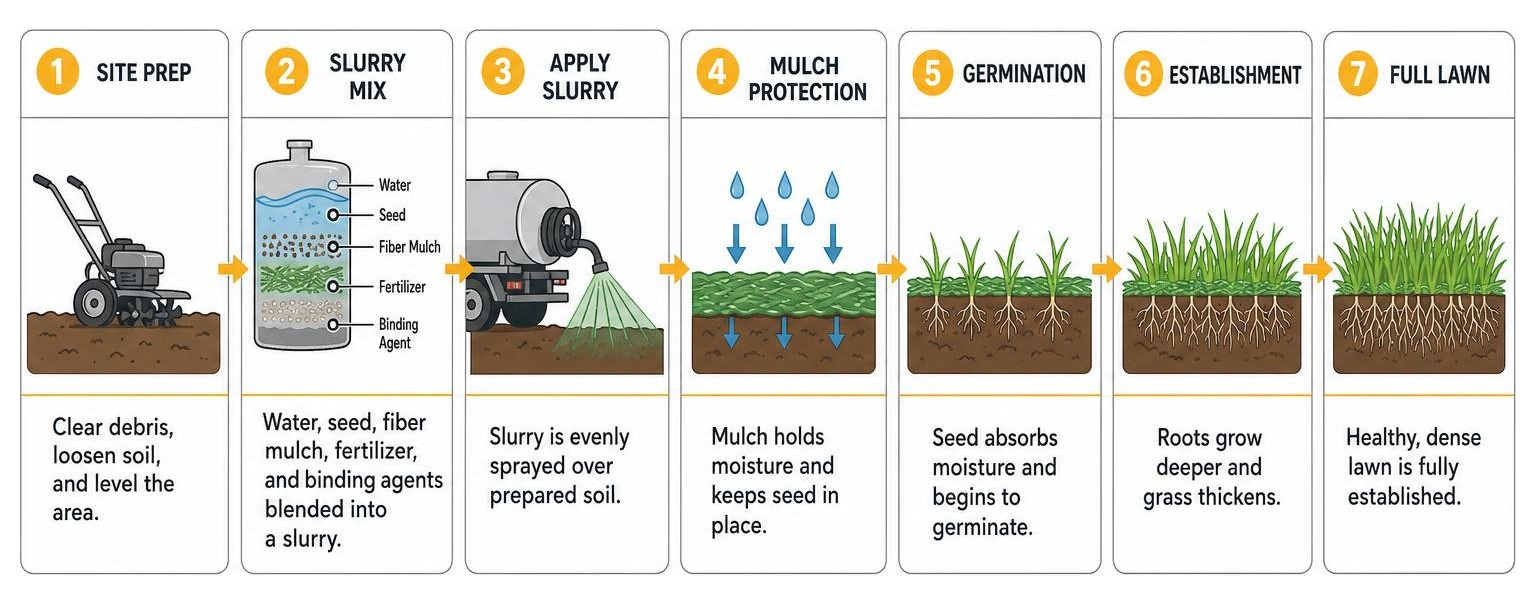
When water is introduced to the seed inside the hydroseeding tank, the moisture instantly wakes the seed up and initiates the germination cycle before it even hits the dirt. Once sprayed onto prepared ground, the slurry forms a protective micro-environment. To dive deeper into the science, you can learn more about hydraulic mulch slurry.
Proper site preparation remains vital. We always clear debris, loosen compacted dirt, and level the area before spraying. This guarantees maximum seed-to-soil contact and gives the young roots immediate access to nutrients.
Key Components of a Hydroseeding Slurry
A hydroseeding mix is not just green water and seed. It is a carefully engineered environment formulated for fast root establishment:
- Custom Seed Blends: Tailored to your site’s specific microclimate, sun exposure, and soil type (such as turfgrasses, wildflowers, or native ground covers).
- Wood Fiber or Cellulose Mulch: Holds moisture around the seeds, insulates them against heat, and shields them from birds and wind displacement.
- Organic Tackifiers: Plant-derived glue agents (like natural guar) that bind the slurry to topsoil, keeping everything locked in place—even on sloped ground.
- Starter Fertilizer & Soil Amendments: Rich in phosphorus to encourage rapid early root growth, paired with lime or organic additives when necessary to balance soil pH.
- Non-Toxic Tracer Dye: Gives the fresh slurry a bright green appearance so our application team can guarantee consistent coverage without leaving bare spots. (Rest assured, the green color is just dye, not instant grass!)
Jet-Agitated vs. Mechanically Agitated Hydroseeding Equipment
Not all hydroseeding machinery operates identically. Equipment choice dictates the types of slurries and mulches applied to a property.
Jet-Agitated Hydroseeders use continuous water recirculation to mix materials inside the tank. These systems excel at mixing lightweight cellulose paper mulches and standard lawn seed blends for typical residential lawns. Jet units generally range from 50 to 1,600 gallons in tank capacity.
Mechanically Agitated Hydroseeders utilize a heavy-duty physical paddle shaft inside the tank to churn thick, high-density mixtures. If a project requires heavy 100% wood fiber mulches, Bonded Fiber Matrix (BFM), or advanced soil-rebuilding media like ProGanics, mechanical paddle agitation is mandatory. These robust rigs maintain high continuous pump pressure, allowing operators to spray dense slurries across long distances and steep terrain.
Comparing Hydroseeding to Sod, Broadcast Seeding, and Erosion Blankets
When establishing vegetation, property owners generally choose between four primary methods. While sod provides an instantaneous green lawn, it carries a heavy price tag and requires extensive labor. Broadcast seeding is cheap, but birds, wind, and rain frequently cause patchy grow-in. Erosion control blankets protect slopes, but they require intensive manual anchoring.
You can compare turf establishment techniques to evaluate options for your land.
| Feature / Metric | Hydroseeding | Sod Installation | Traditional Broadcast Seeding | Erosion Control Blankets |
|---|---|---|---|---|
| Average Cost per Sq. Ft. | $0.07 – $0.22 | $0.77 – $1.79 | $0.09 – $0.15 | $0.30 – $0.80 |
| Typical Cost for 10,000 Sq. Ft. | $1,000 – $2,200 | $7,700 – $17,900 | $900 – $1,500 | $3,000 – $8,000 |
| Germination / Initial Growth | 5 to 10 Days | Immediate (0 Days) | 14 to 21 Days | 14 to 21 Days |
| Time to First Mowing | 3 to 4 Weeks | 2 to 3 Weeks | 6 to 8 Weeks | 6 to 8 Weeks |
| Root Establishment Depth | Deep (Grows in native soil) | Shallow initially (Risk of root shock) | Deep (Grows in native soil) | Deep (Grows in native soil) |
| Weed Seed Risk | Minimal (Clean slurry) | Low | High (Unprotected straw mulch) | Low to Moderate |
| Slope & Erosion Suitability | Excellent (With tackifier) | Moderate (Sod can slip down hills) | Poor (Washes away in rain) | Excellent |
Because hydroseeded grass grows natively in your soil from day one, it avoids the “transplant shock” that sod often experiences when moving from a sod farm to different topsoil. Hydroseeding costs up to 80% less than sod installation, making it popular for large properties over 5,000 square feet.
Pros, Cons, and Key Applications for Slope and Fire Restoration
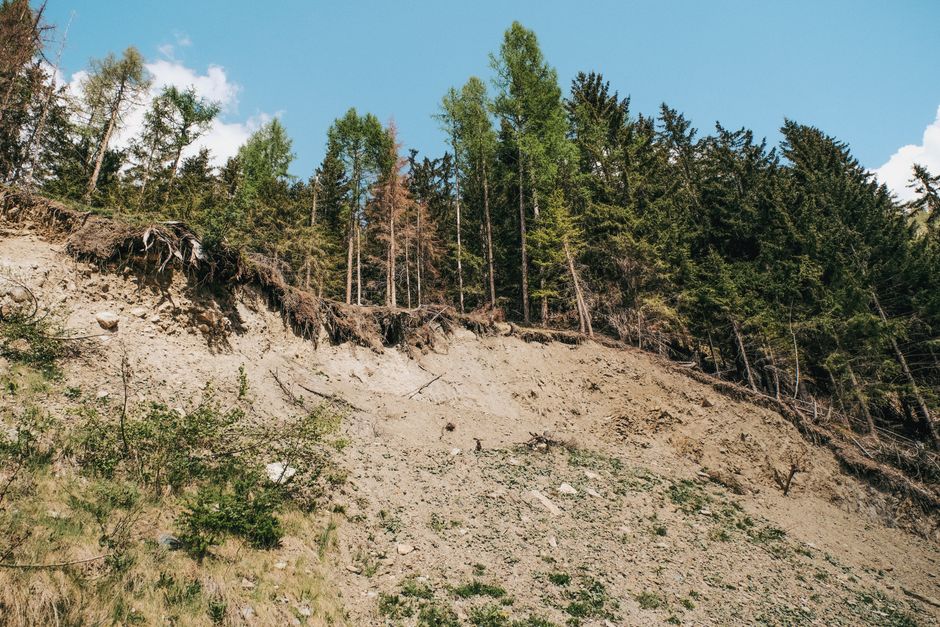
Hydroseeding shines on sloped ground. On steep hillsides (such as 20% to 60% grades), standard seed washes away during thunderstorms, and sod rolls tend to slip downward. By mixing wood fibers with natural tackifiers, hydroseeding anchors soil particles, preventing sheet flow erosion while locking seeds into place.
For wildfire recovery and post-burn rehabilitation, hydromulching plays a critical soil conservation role. Post-fire land is prone to mudslides and soil loss during rain. Applying a hydraulic mulch matrix locks down scorched slopes, protecting nearby homes and waterways. You can review official USDA guidance on post-fire hydromulching for technical land management specifications.
In fire-prone environments like El Dorado County, Placerville, and South Lake Tahoe, we use hydroseeding to establish low-growing, fire-resistant ground covers and native grasses. This aids in creating defensible space around structures while keeping bare soil from turning into airborne dust or mud.
Pros of Hydroseeding:
- Cost-effective coverage for large acreages (saving 50% to 80% compared to sod).
- Uniform growth without patchy spots or weed-infested straw.
- Customizable seed mixtures (turfgrass, erosion-control grasses, or native wildflowers).
- Superior erosion protection on hillsides and embankments.
Cons of Hydroseeding:
- Requires initial daily watering for several weeks.
- Needs a 3 to 4 week window before foot traffic and mowing can begin.
- Requires professional equipment for high-density wood mulches and steep slopes.
Post-Application Care and Lawn Maintenance Timeline
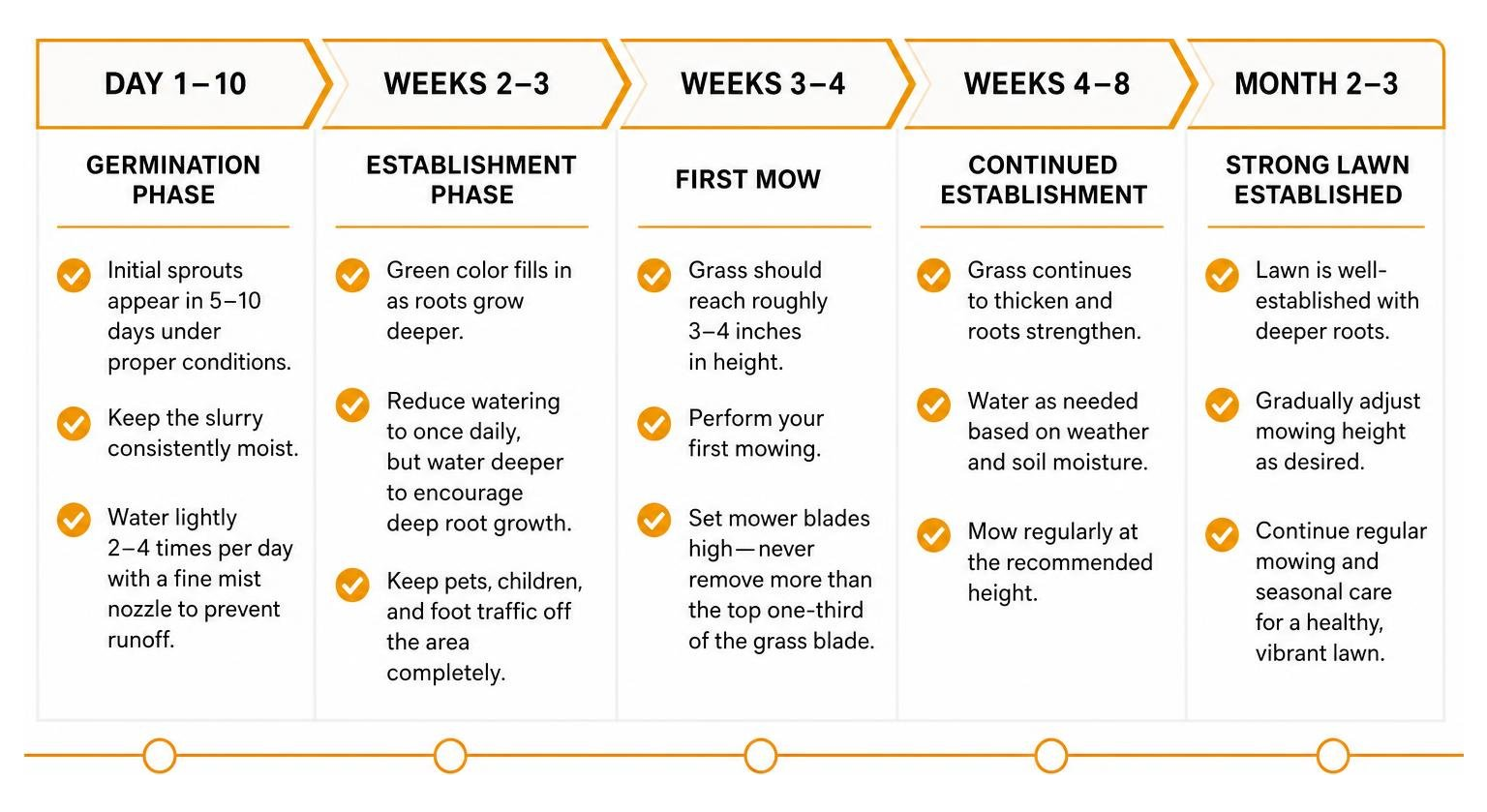
Proper care after spraying dictates your long-term results. Follow this timeline to ensure your new lawn thrives:
- Days 1 to 10 (Germination Phase): Initial grass sprouts appear in 5 to 10 days under proper conditions. Keep the slurry consistently moist. Water lightly 2 to 4 times per day with a fine mist nozzle to prevent runoff.
- Weeks 2 to 3 (Establishment Phase): The green color will fill in as roots dig deep into the topsoil. Reduce watering frequency to once daily, but water deeper to encourage deep root growth. Keep pets, children, and foot traffic off the area completely.
- Weeks 3 to 4 (First Mow): Once your grass reaches roughly 3 to 4 inches in height, perform your first mowing. Set mower blades high—never remove more than the top one-third of the grass blade at once.
- Months 2 to 3 (Full Maturity): Your lawn is established and ready for normal turf use. Transition to standard watering routines based on your local climate.
Frequently Asked Questions About Hydroseeding
How much does hydroseeding cost per square foot compared to sod?
Hydroseeding typically costs between $0.07 and $0.22 per square foot, averaging around $0.18 per square foot. In contrast, sod costs between $0.77 and $1.79 per square foot for materials and professional installation.
For a typical 10,000-square-foot residential yard, hydroseeding runs between $1,000 and $2,200, whereas sodding the same area costs between $7,700 and $17,900. Hydroseeding offers major savings for large yards and commercial properties.
How long does it take for hydroseeded grass to germinate and be mowed?
Green sprouts generally begin showing up within 5 to 10 days. A thick, mowable lawn develops within 3 to 4 weeks under consistent moisture and warmth. Full establishment occurs within 2 to 3 months.
Can heavy rain wash away fresh hydroseed on steep slopes?
Standard dry grass seed easily washes away in heavy rain, but hydroseed slurry includes binding agents called tackifiers. These organic tackifiers glue the fiber mulch and seed directly to the topsoil. When paired with proper soil preparation, a hydroseeded slope resists typical rain events without washing downhill.
Conclusion
Whether you are looking to establish a lush new residential lawn, control erosion on a hillside, or protect fire-affected property, hydroseeding offers a fast, cost-effective land management solution. It combines the rapid establishment of sod with the affordability of traditional seeding, forming a deep-rooted turf built to last.
At Hargo’s Land Management, we provide full-service tree care, land clearing, defensible-space creation, and erosion control across El Dorado County, Placerville, South Lake Tahoe, and surrounding regions. As a locally owned, licensed, bonded, and insured team, we focus on high-quality work tailored to Northern California’s terrain and fire-safety needs.
Ready to transform your ground and protect your soil? Schedule professional hydroseeding and erosion control services with our team today for a free on-site estimate!
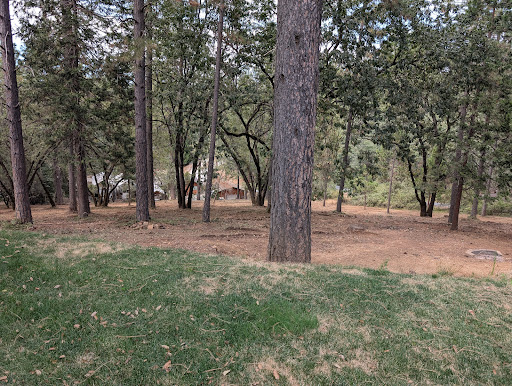
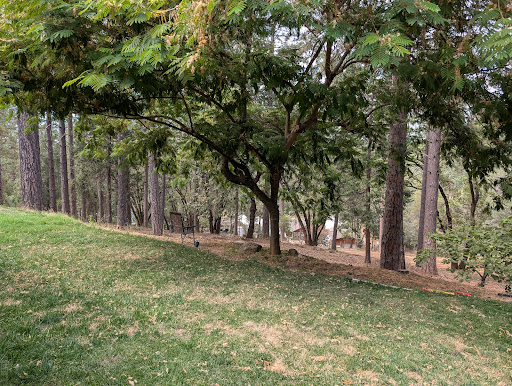
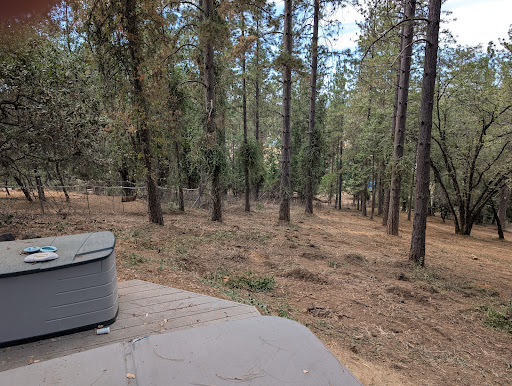
CUSTOMER REVIEWS & TESTIMONIALS
We strive to exceed your expectations. See what our customers have to say.















CONTACT US TODAY
Serving El Dorado and Surrounding Counties
Locally owned and operated since 2013. Use our live chat support to get in touch about your land management needs today.
Request a free evaluation and estimate by completing our online form or book an on-site appointment.
El Dorado County: El Dorado Hills, Cameron Park, Shingle Springs, Coloma, Placerville, Camino, Pollock Pines, South Lake Tahoe and more...
Amador County: Jackson, Ione, and Surrounding Towns
Sacramento County: Sacramento and Surrounding Cities
Placer County: Roseville, Rocklin, Auburn, and Everything In Between
Nevada County: Penn Valley, Nevada City, Grass Valley